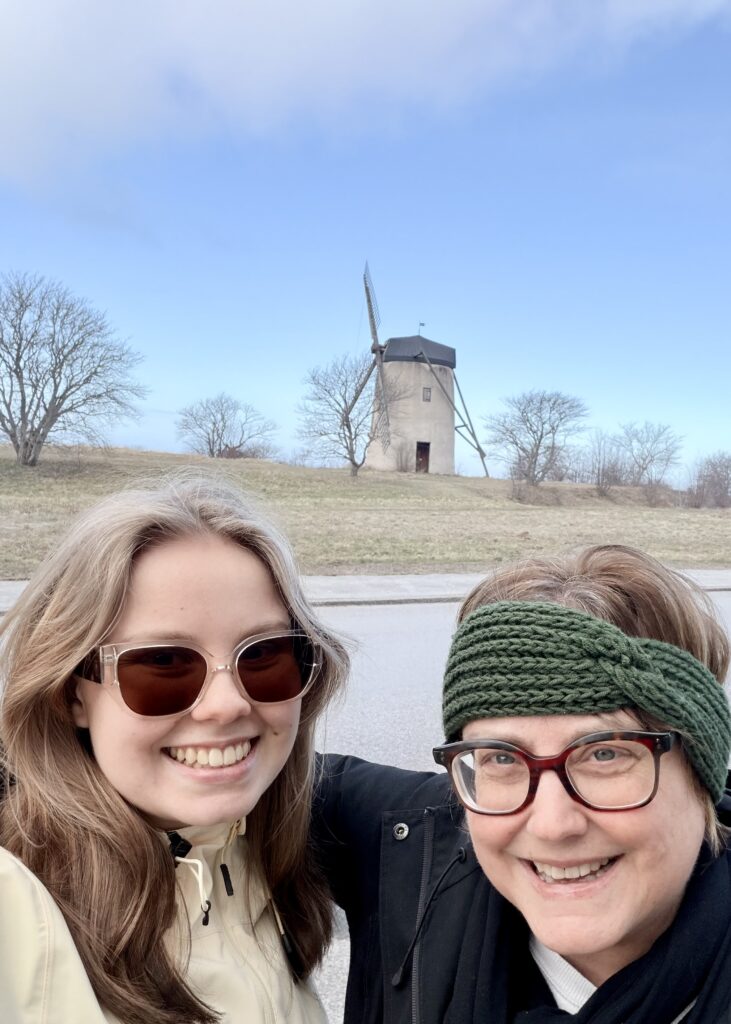
Bryant and the youngest both had lots going on with work and school from the end of March into the beginning of April, but H had no classes in session and just a few projects to work on so I made the trip to Visby solo this time.
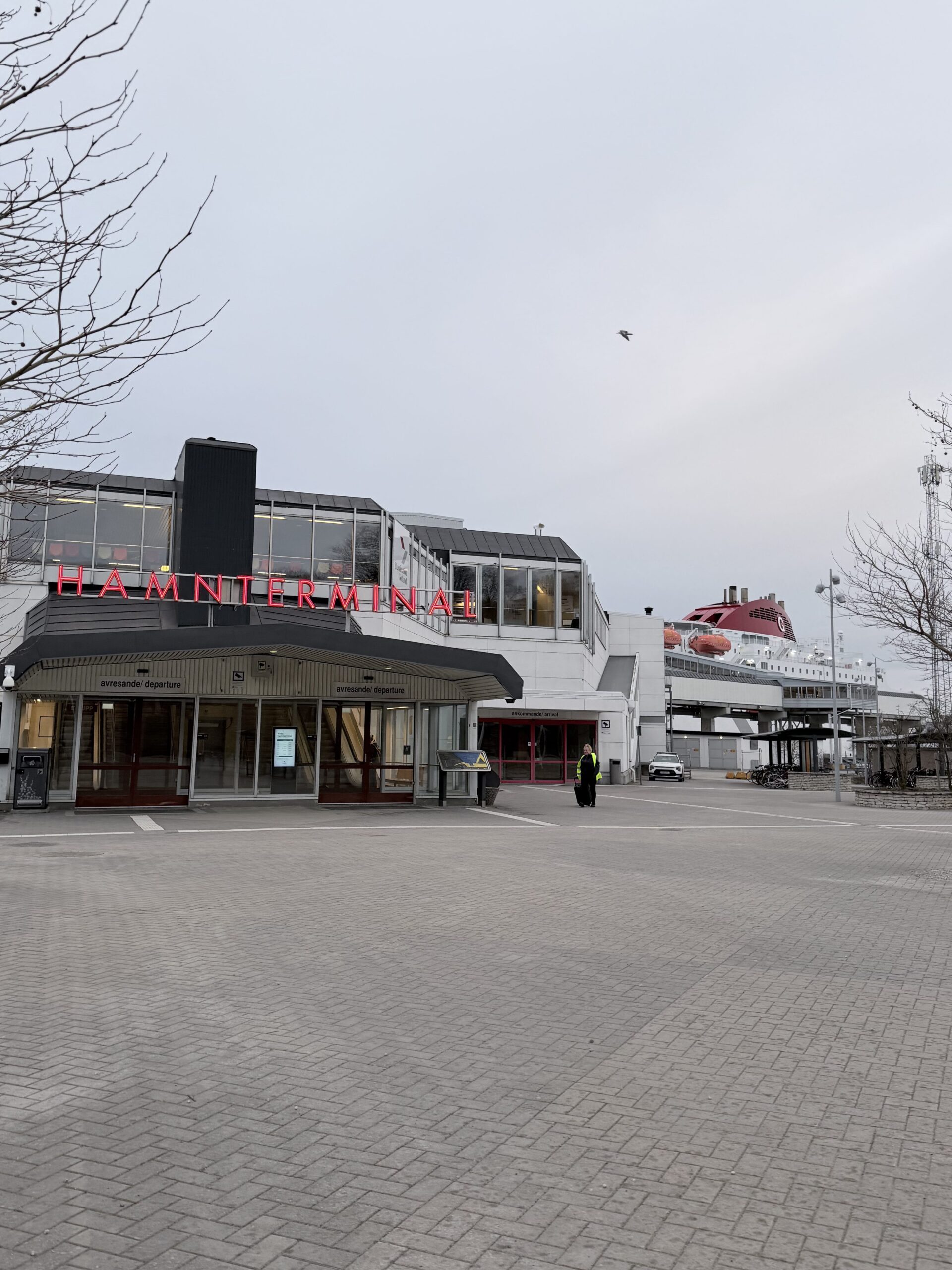
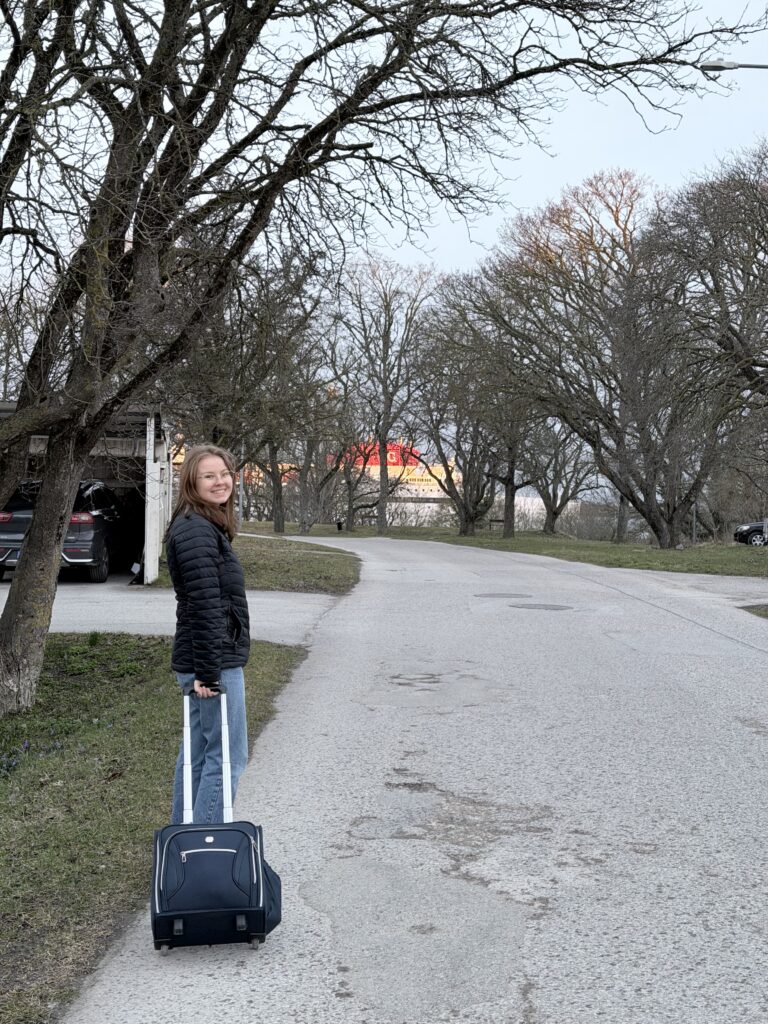
Though the journey is long, 14 hours going and 12 hours for the return, everything stayed on schedule and Hil met me at the midnight ferry. Her new apartment is very conveniently located and is much more comfortable than the student room she had last year. We had a relaxing time catching up and doing little craft projects together. Her neighborhood has more shops and businesses, a few restaurants and cafes and a nice grocery store just a 2 minute walk away.
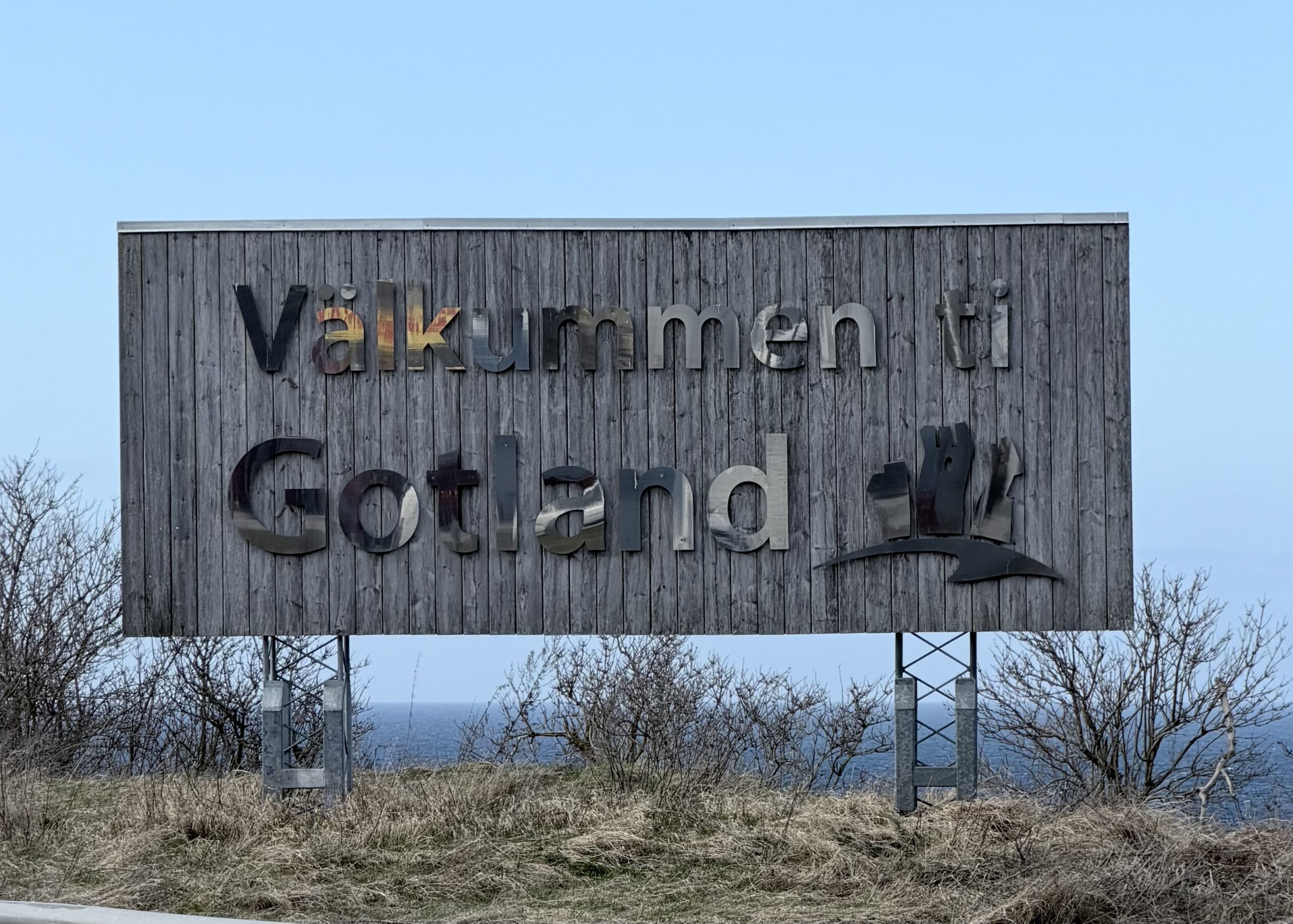
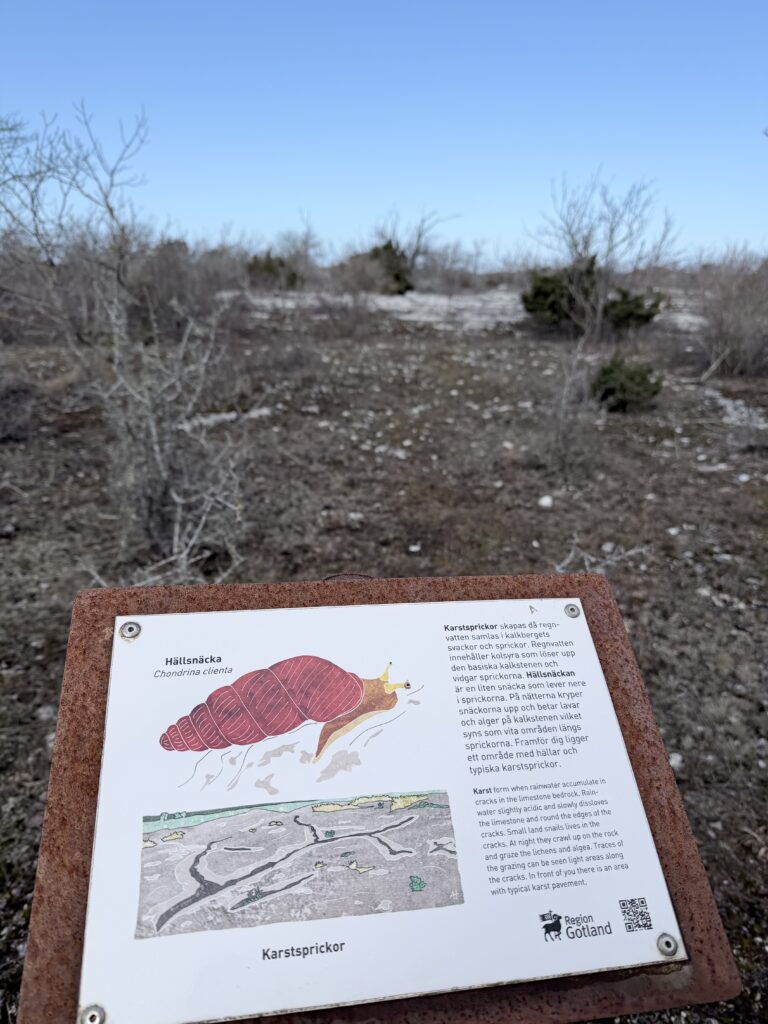
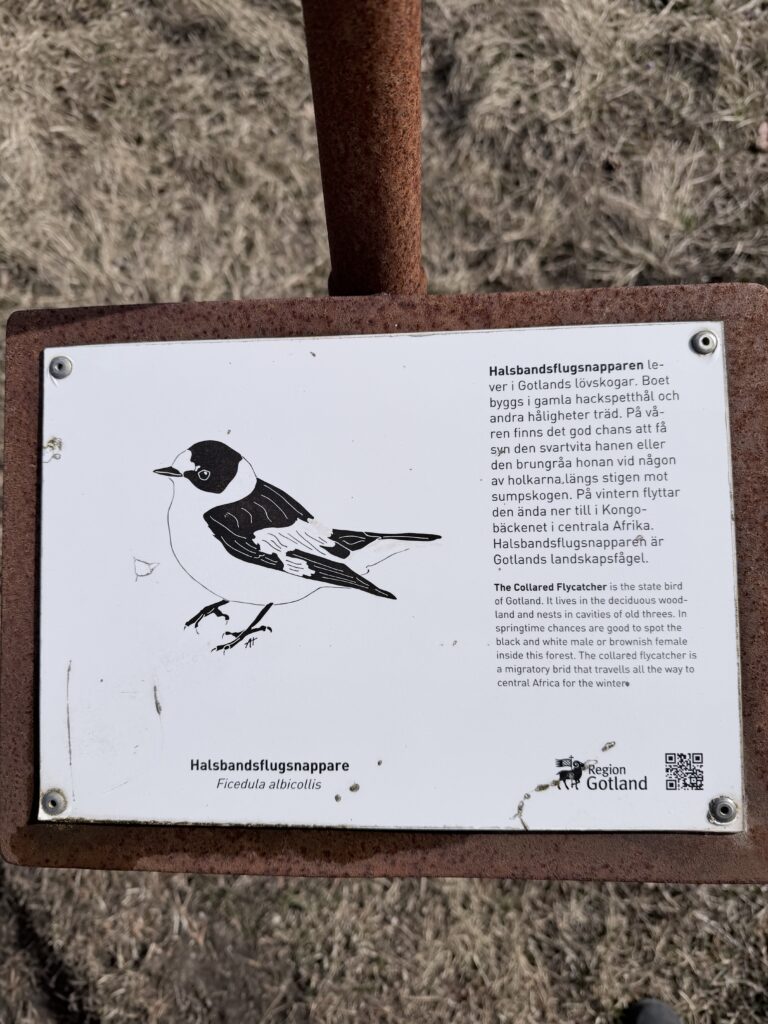
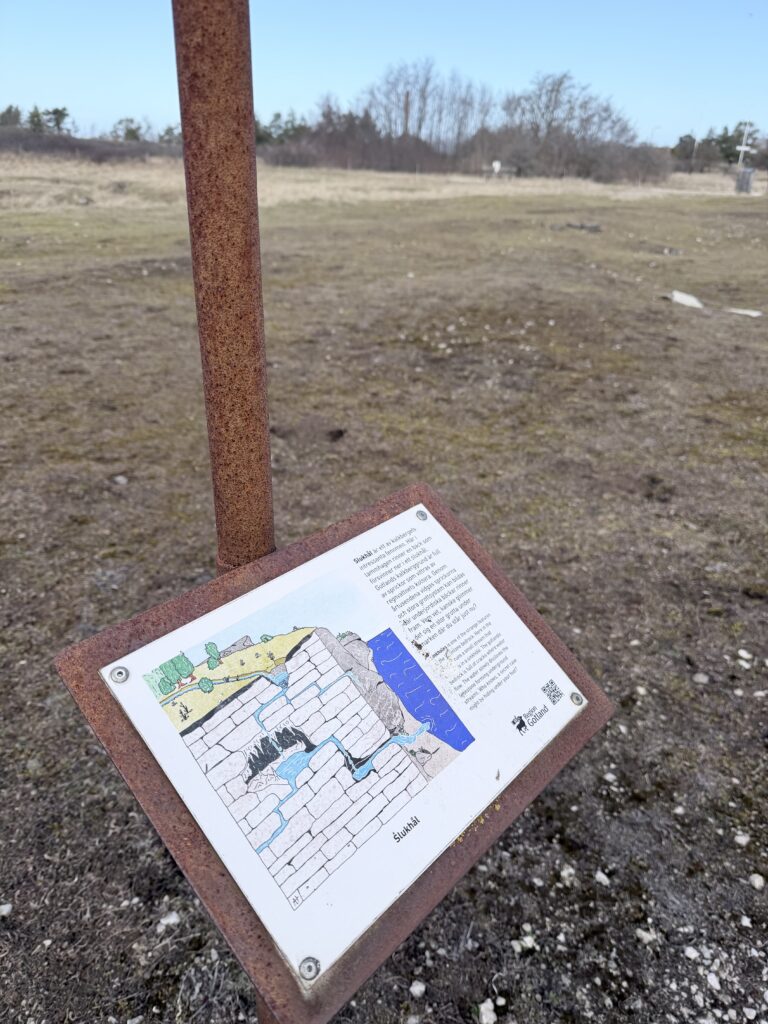
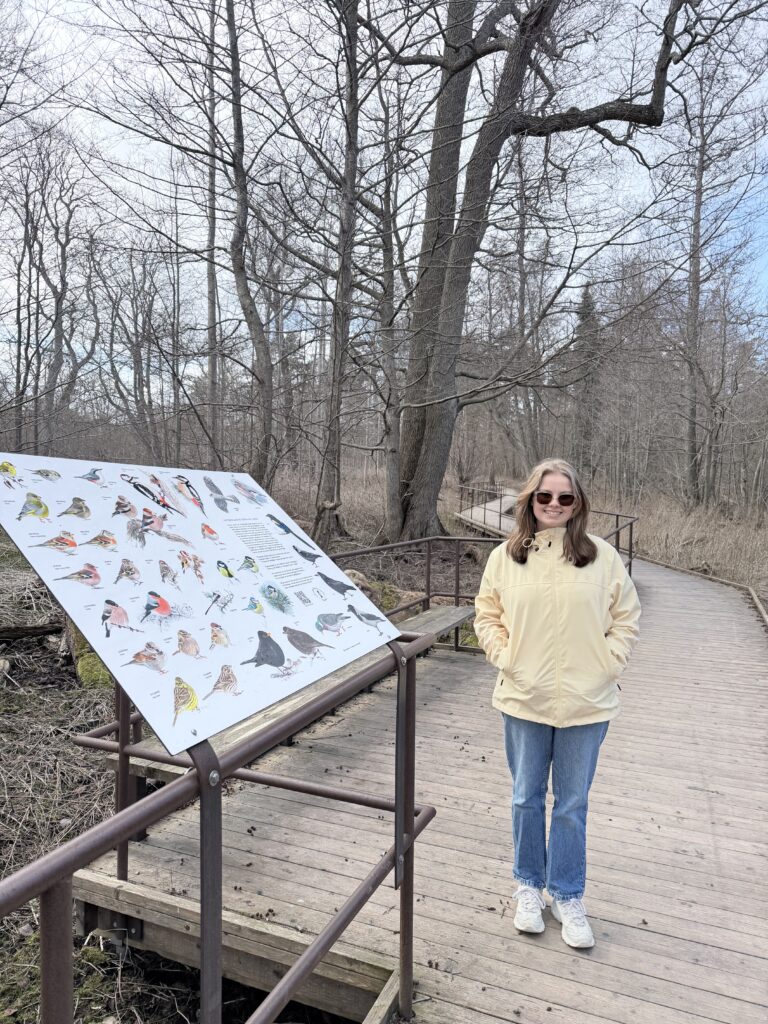
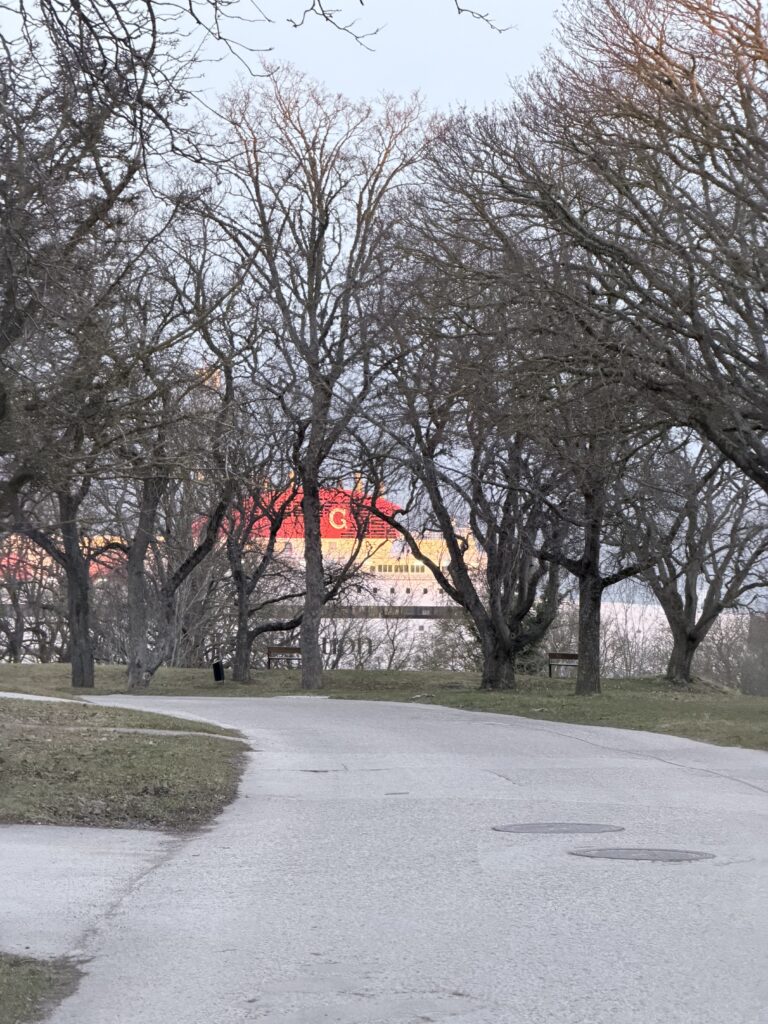
We did some hiking around some areas I hadn’t yet seen, such as a cool nature trail with educational markers about birds and plants and another path out to the cliffs above the the cruise line port where we noticed a welcome sign that wasn’t in Swedish. We did a little searching to confirm that the language is Gutnish.
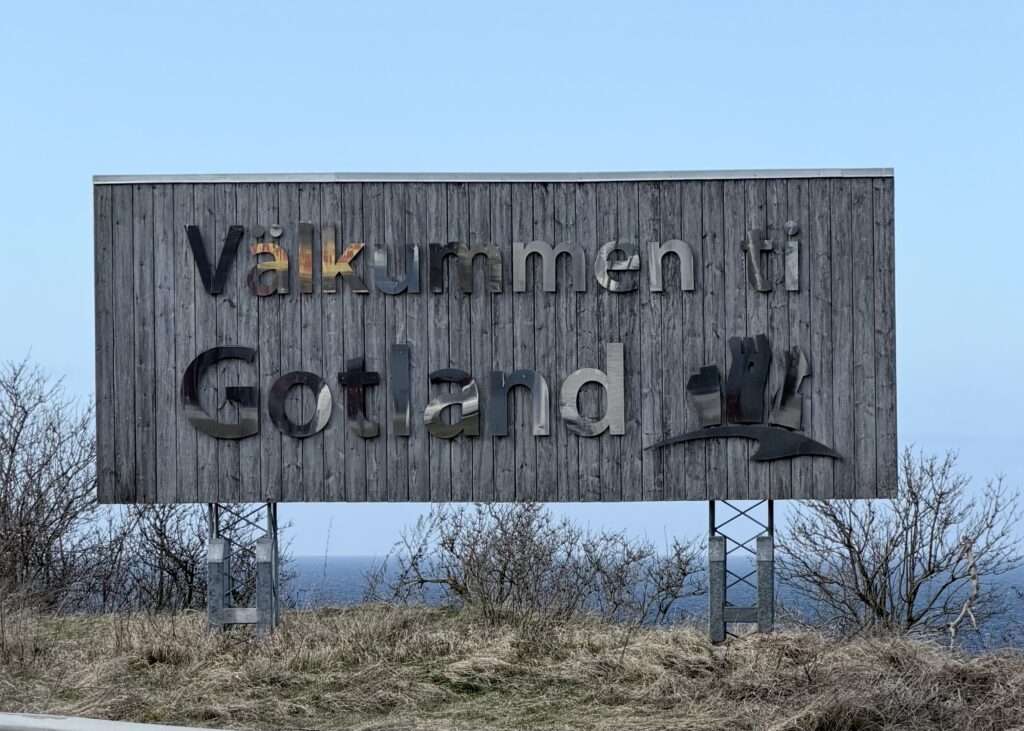
Gutnish (gutniska/gutamål) is an endangered North Germanic language natively spoken on the Swedish island of Gotland and Fårö, with 2,000–5,000 speakers. Originating from Old Gutnish—a distinct branch of Old Norse—it is often considered a separate language from Swedish due to its unique vocabulary, diphthongs and older grammatical features.
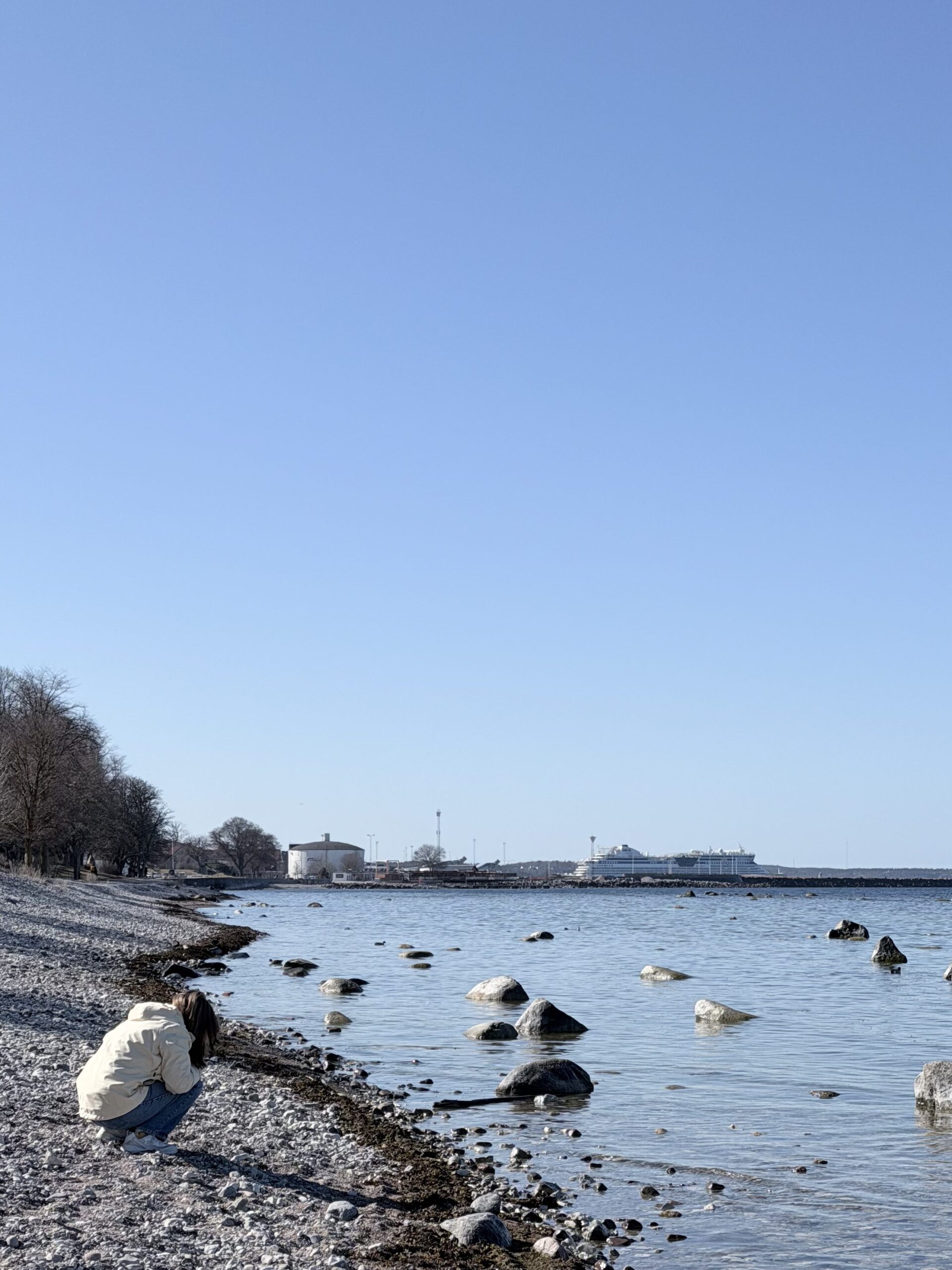
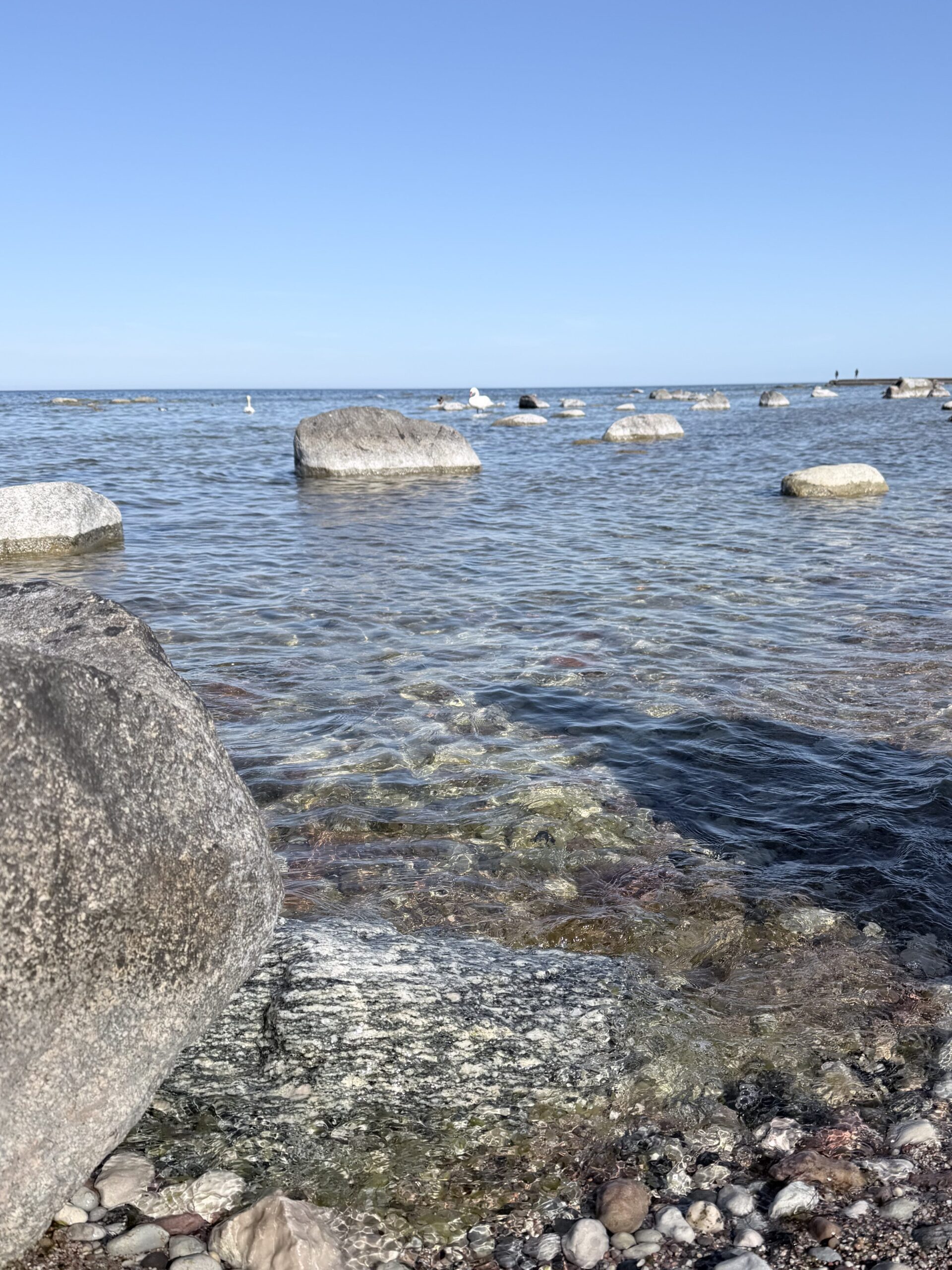
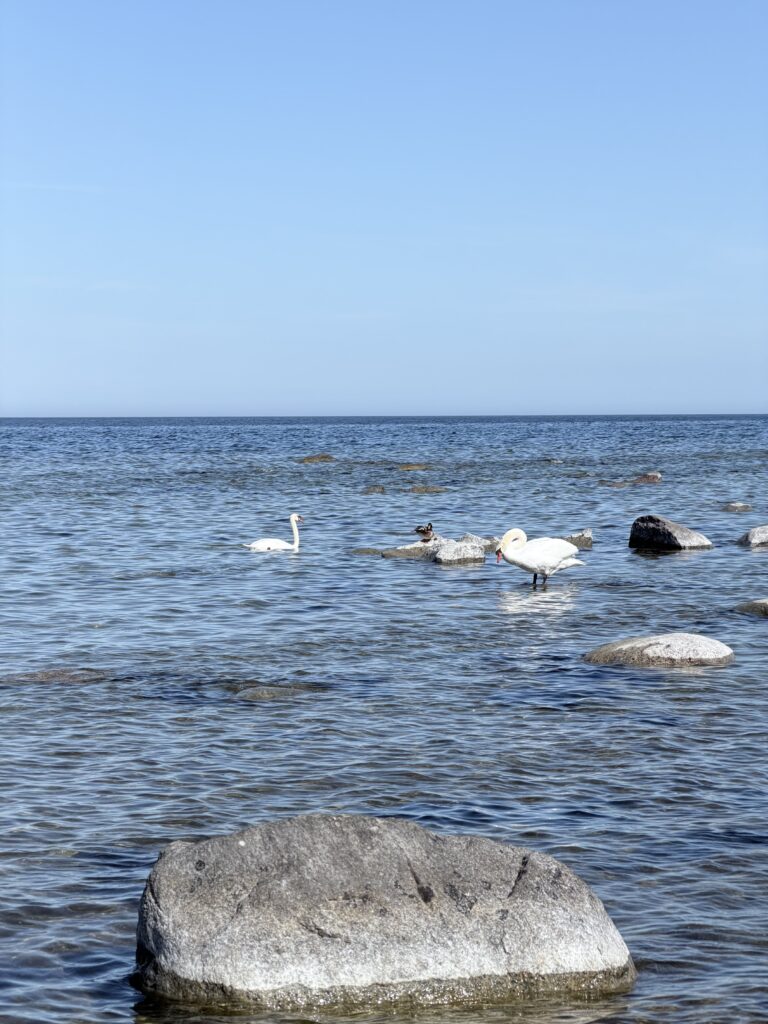
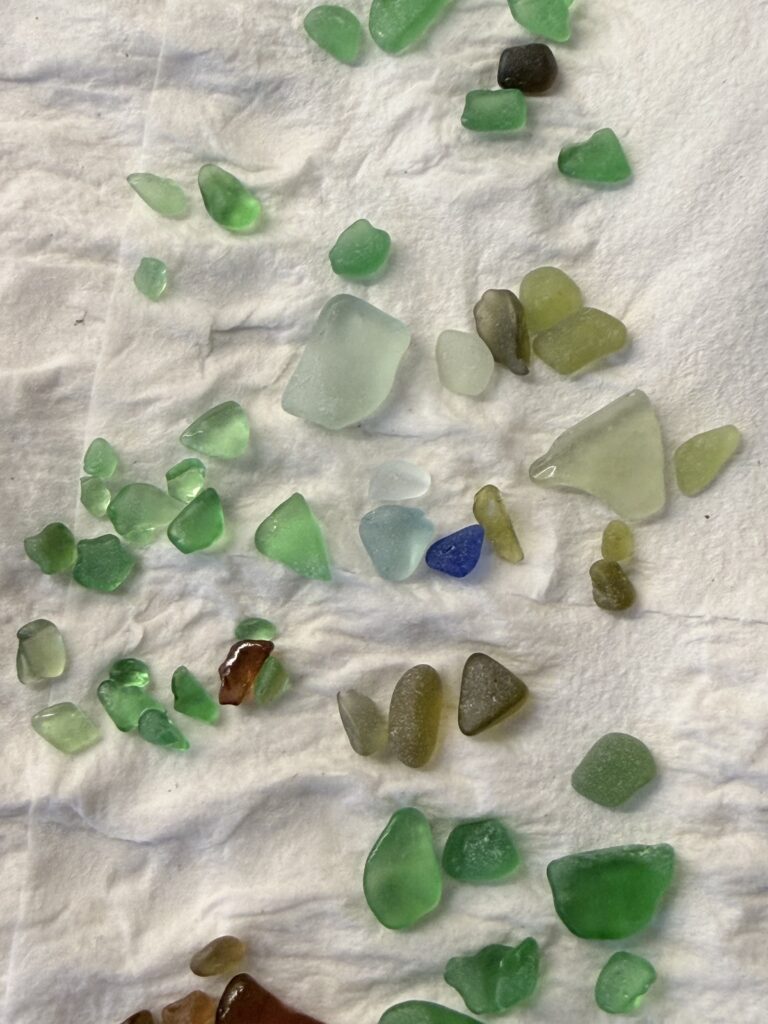
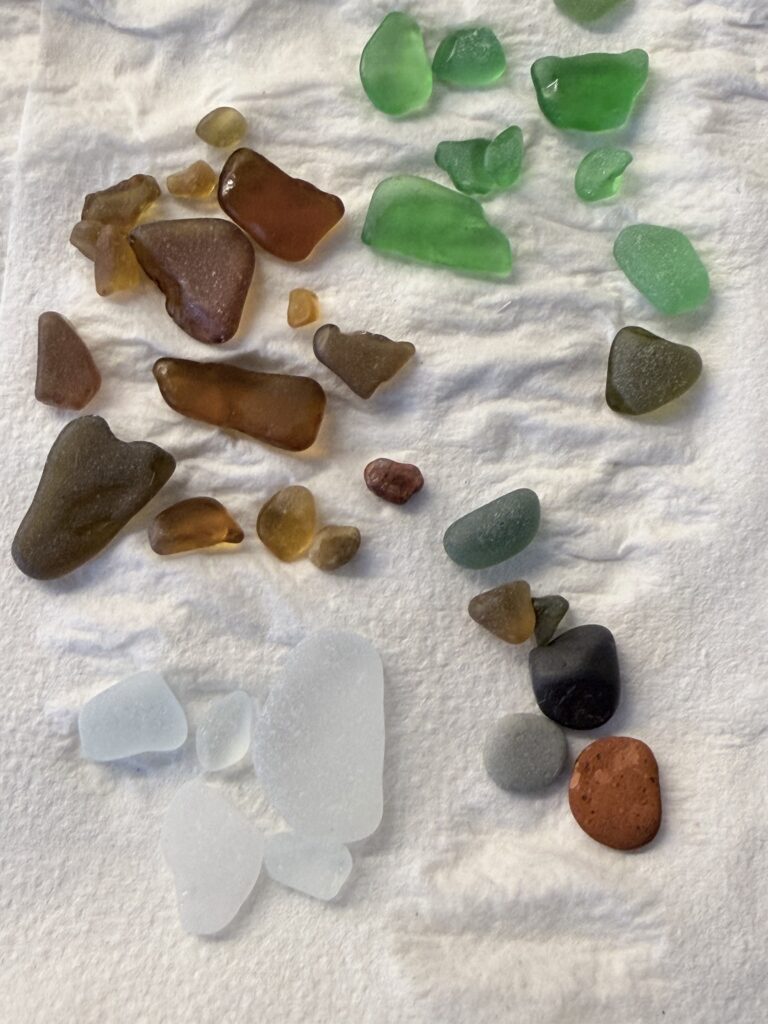
Of course we strolled the beach and waterfront and were quite lucky with the weather. The beach is full of tiny pieces of sea glass if one is patient enough to sift. We gathered a small bottle-full of the itty bitty gems without getting wet. We did alarm some nearby swans who did not want us so close, but by then our hands were too cold for sifting through the pebbles anyway.
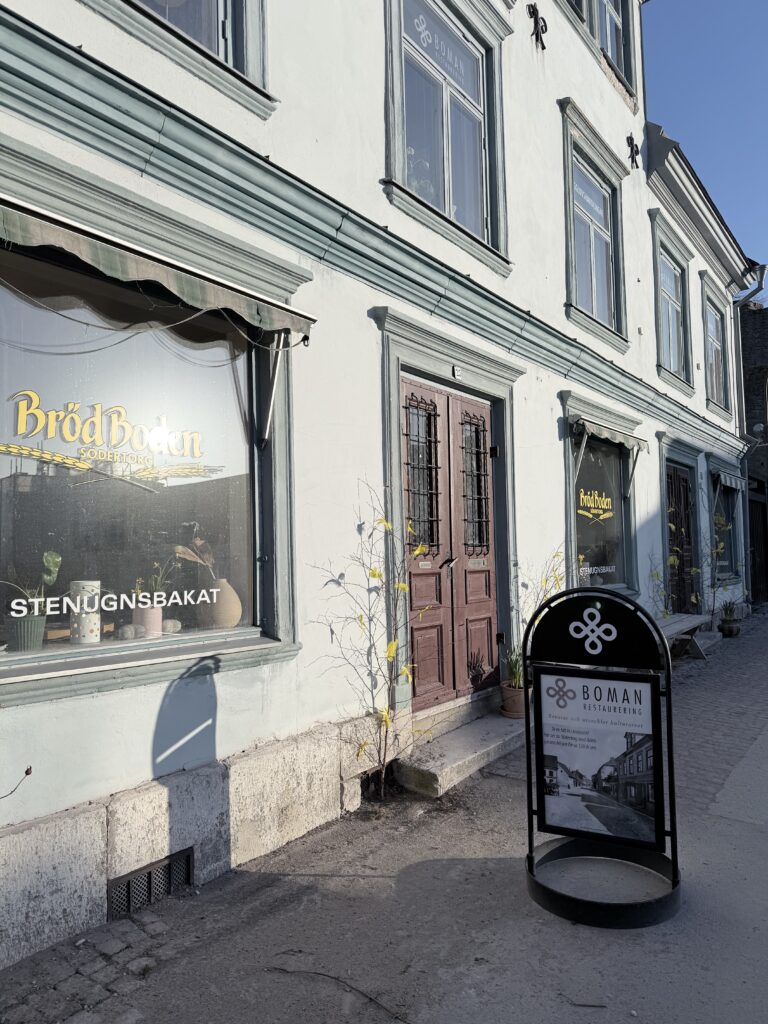
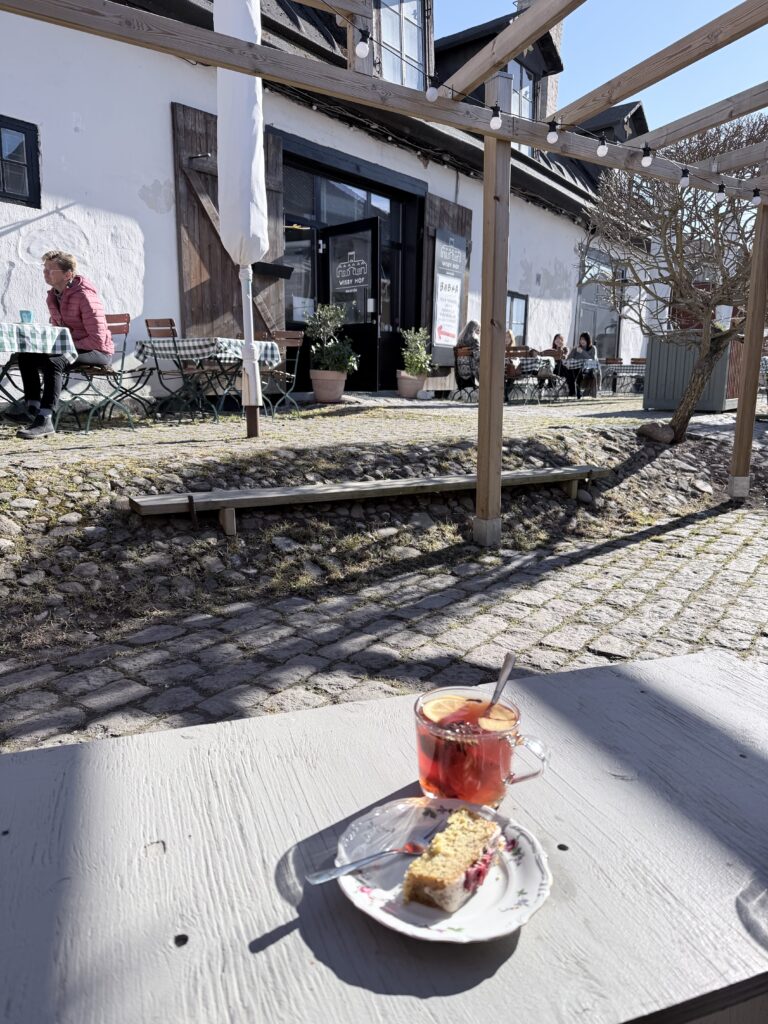
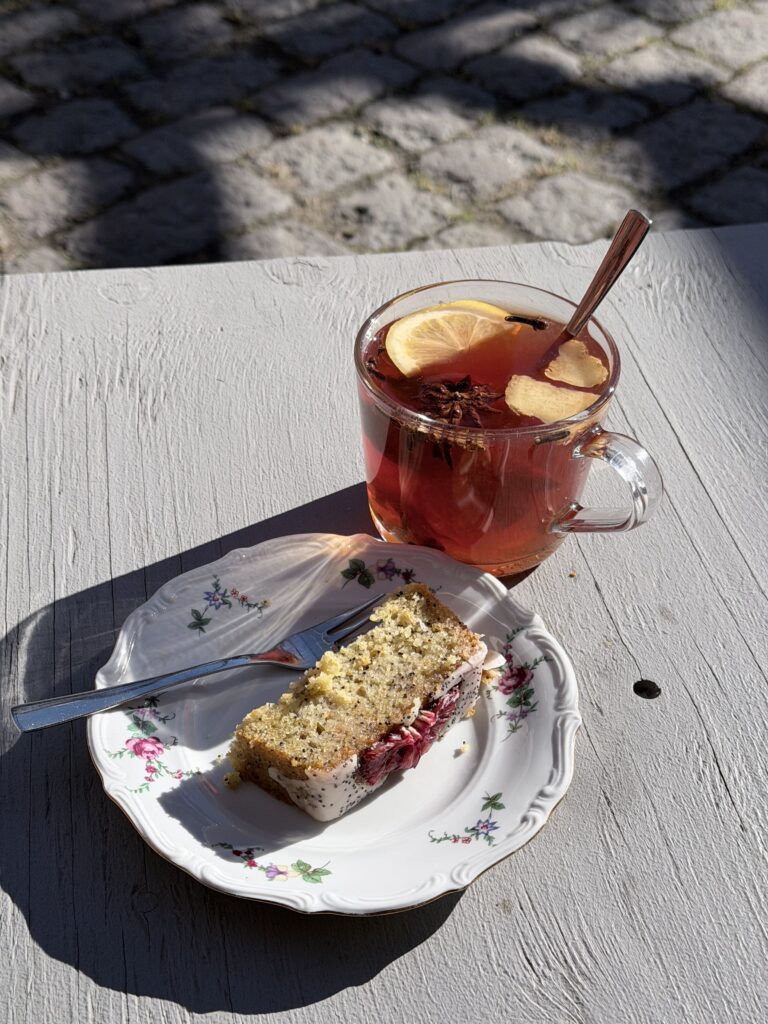
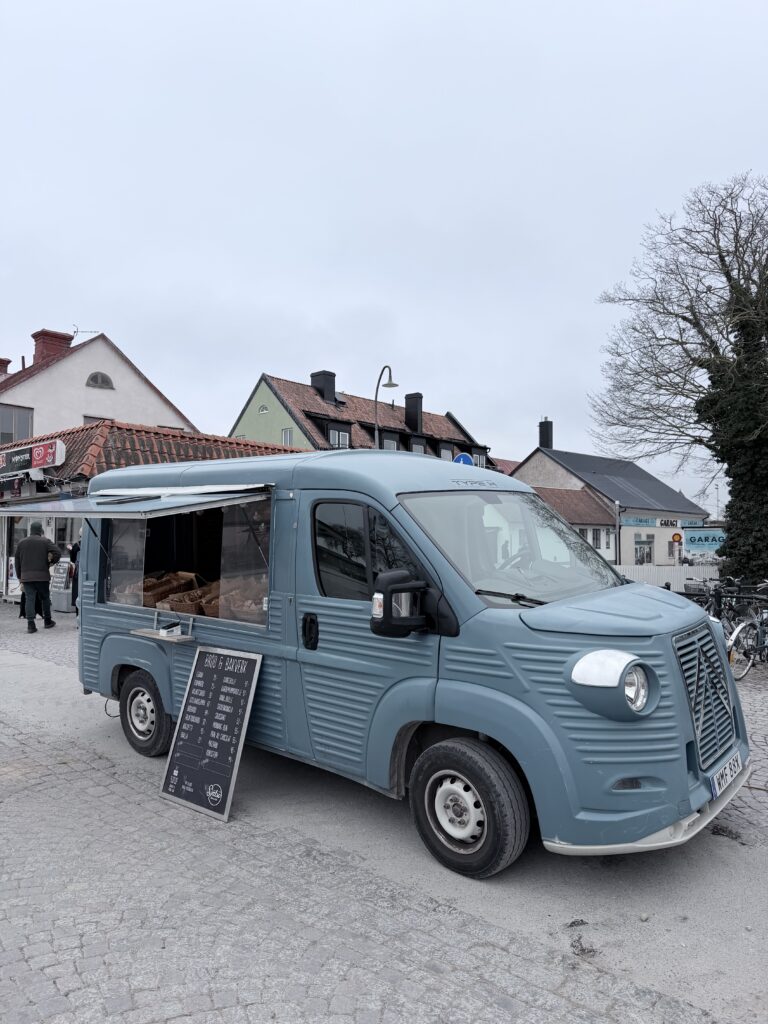
Lunch and fika were also a big part of our routine and we treated ourselves at least once a day. Bröd Boden is my new fave. I noticed they use different words for the buns and pastries. I wonder if these words come from the Gutamål language.
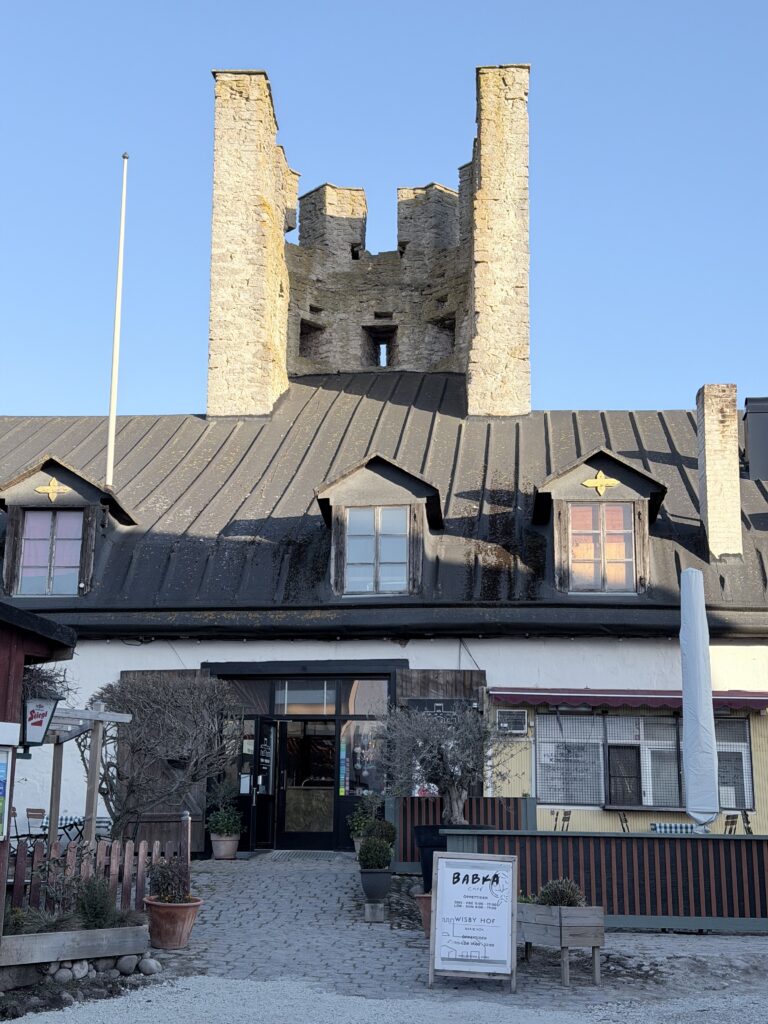
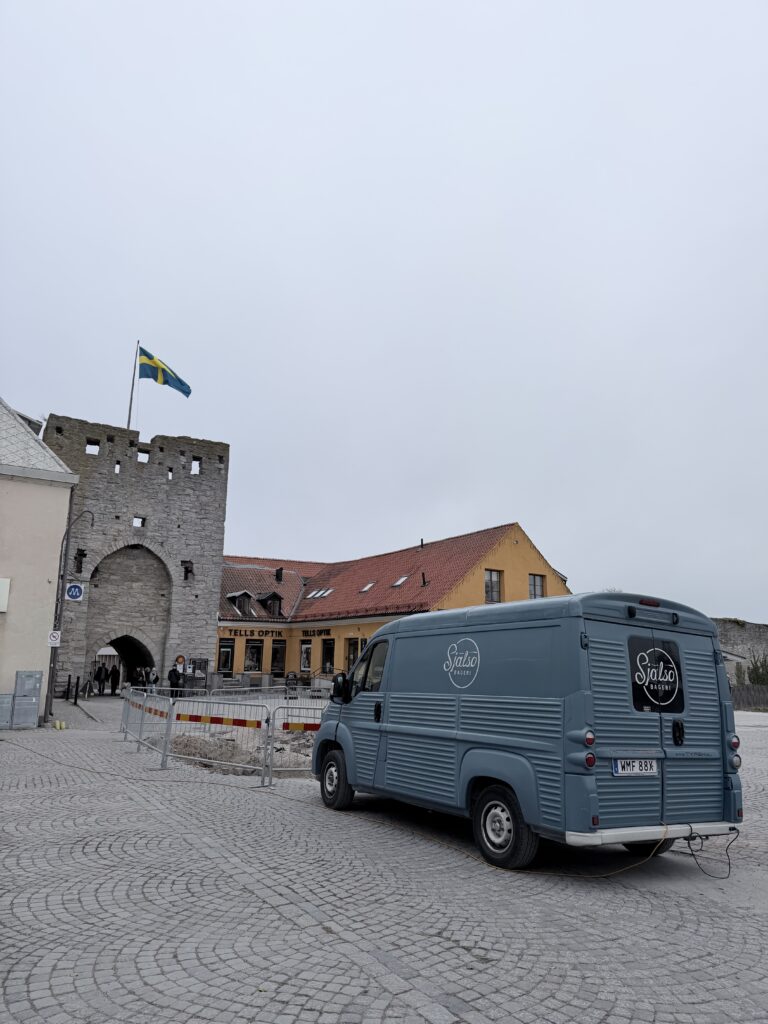
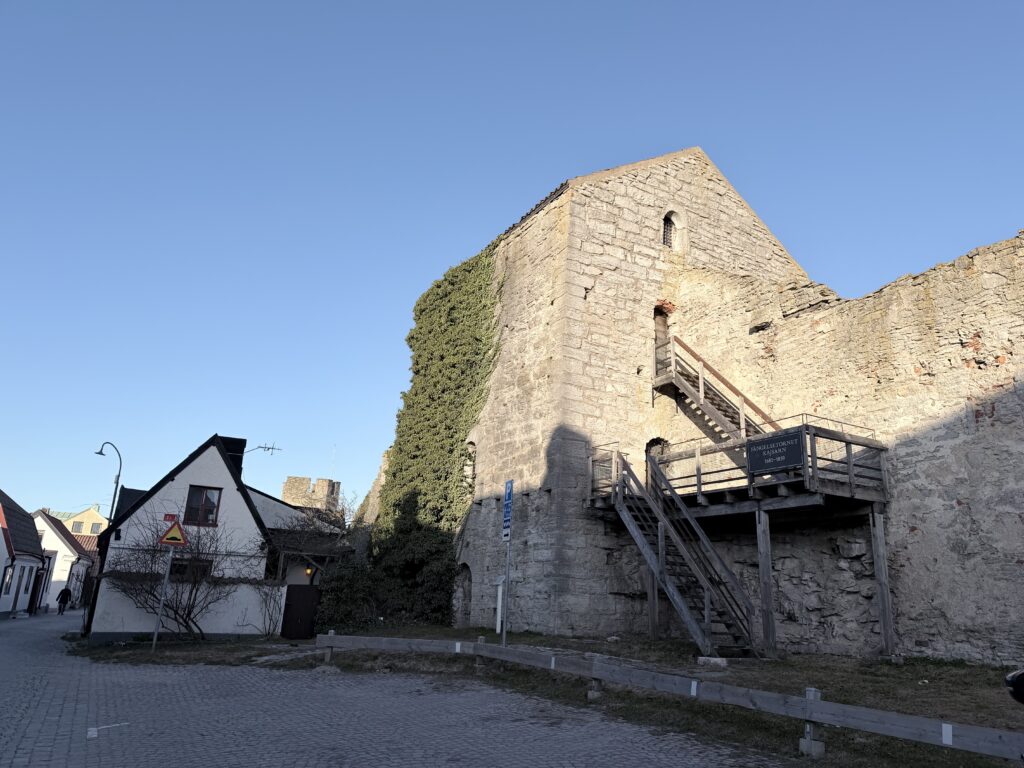
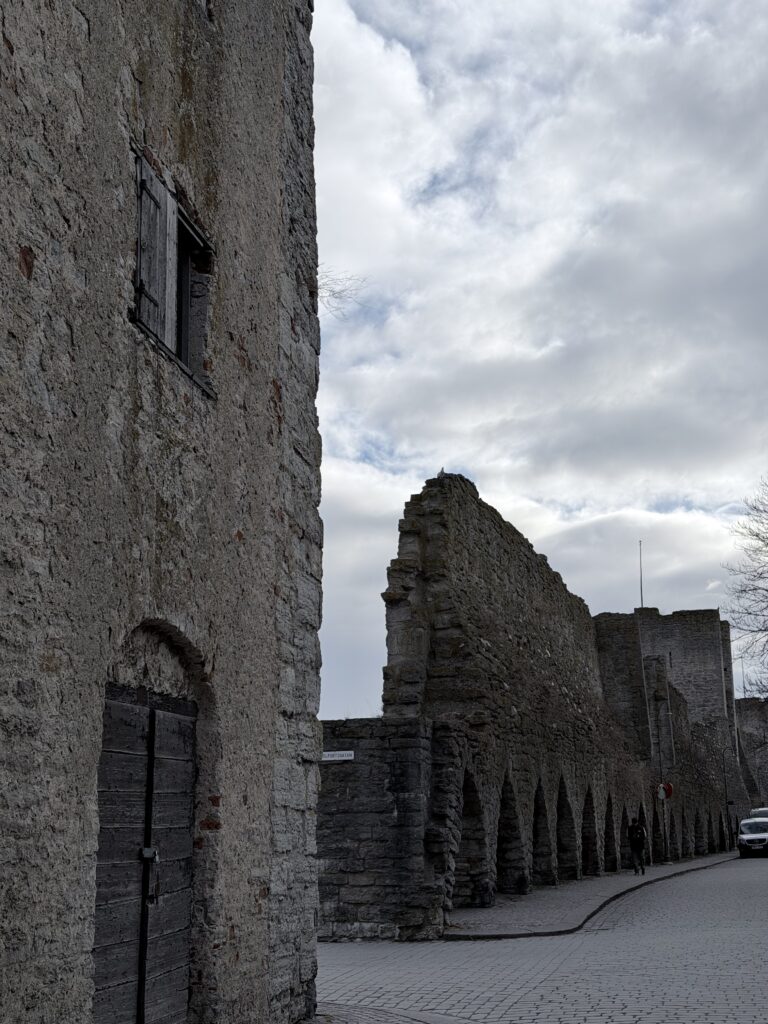
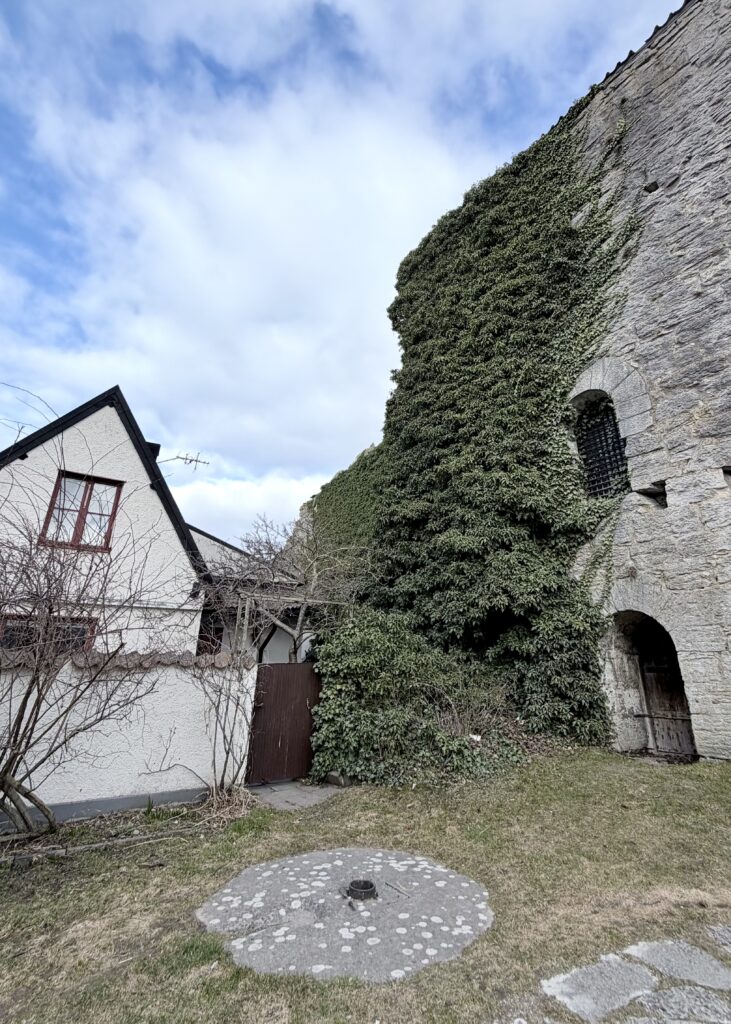
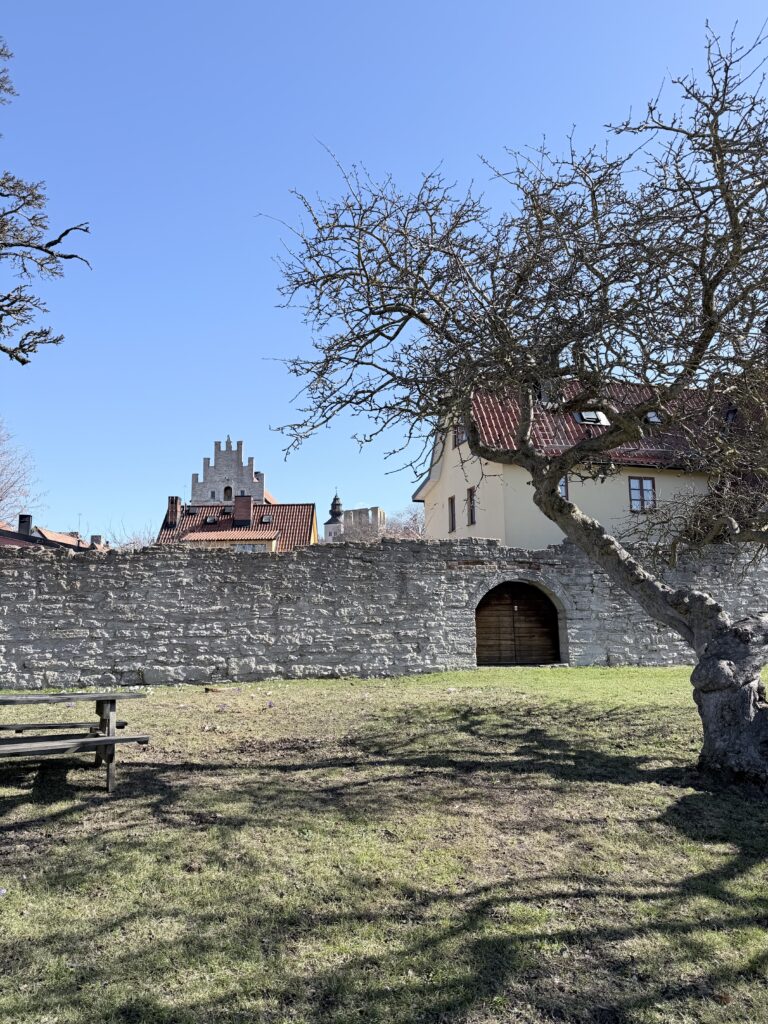
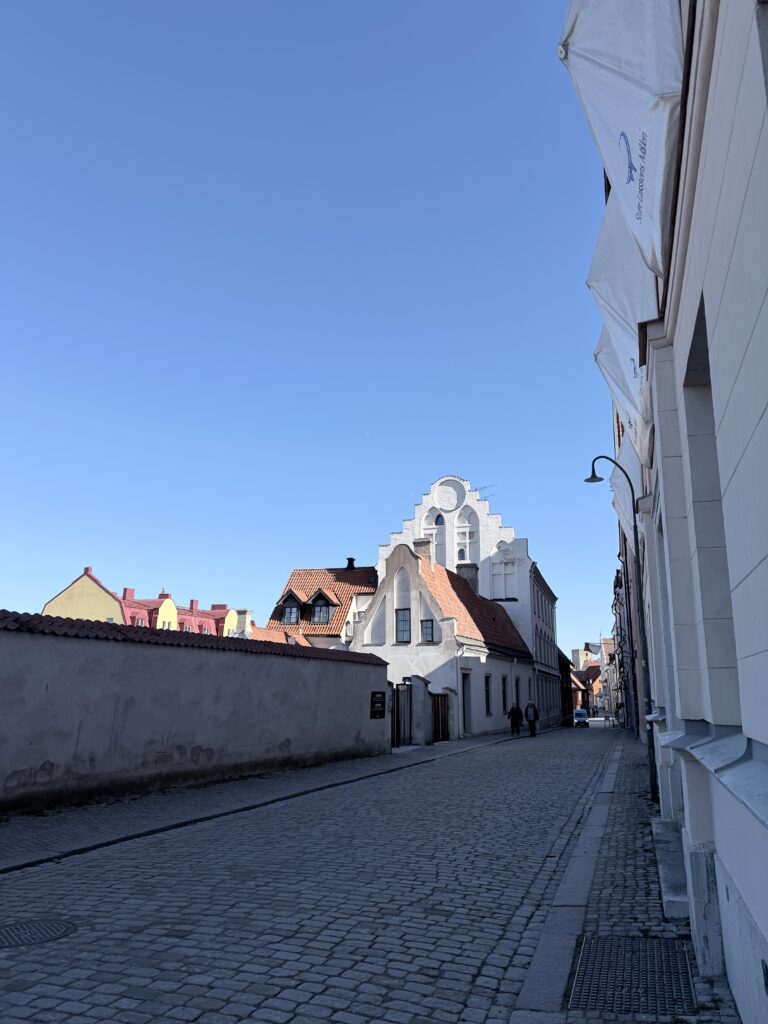
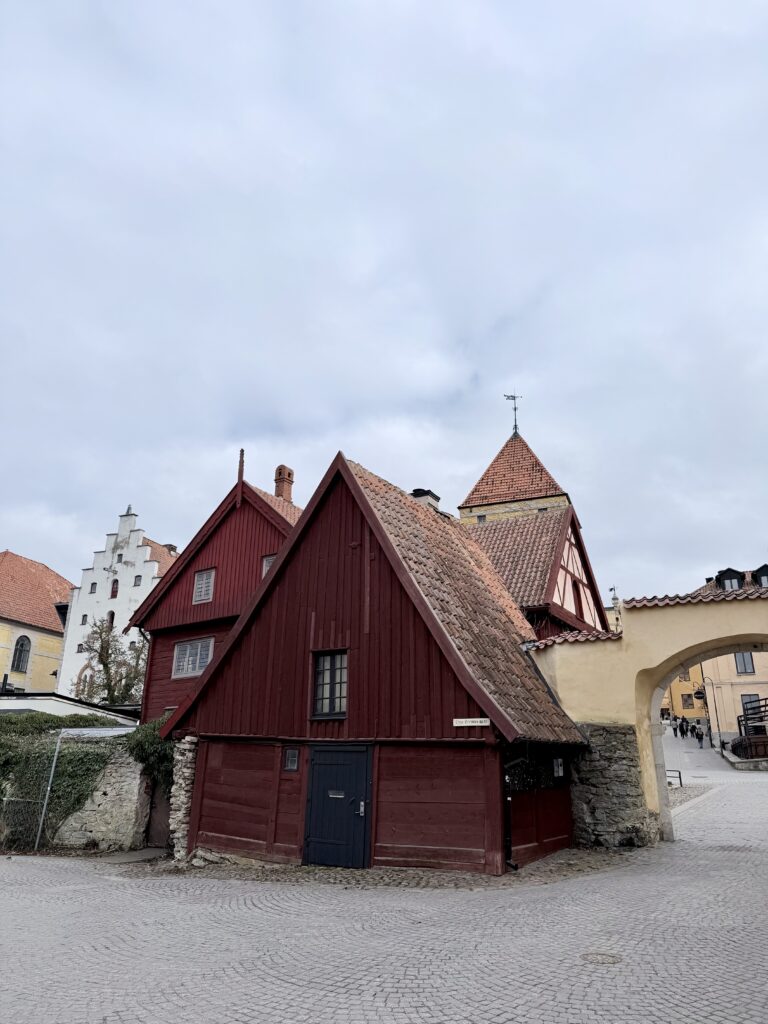
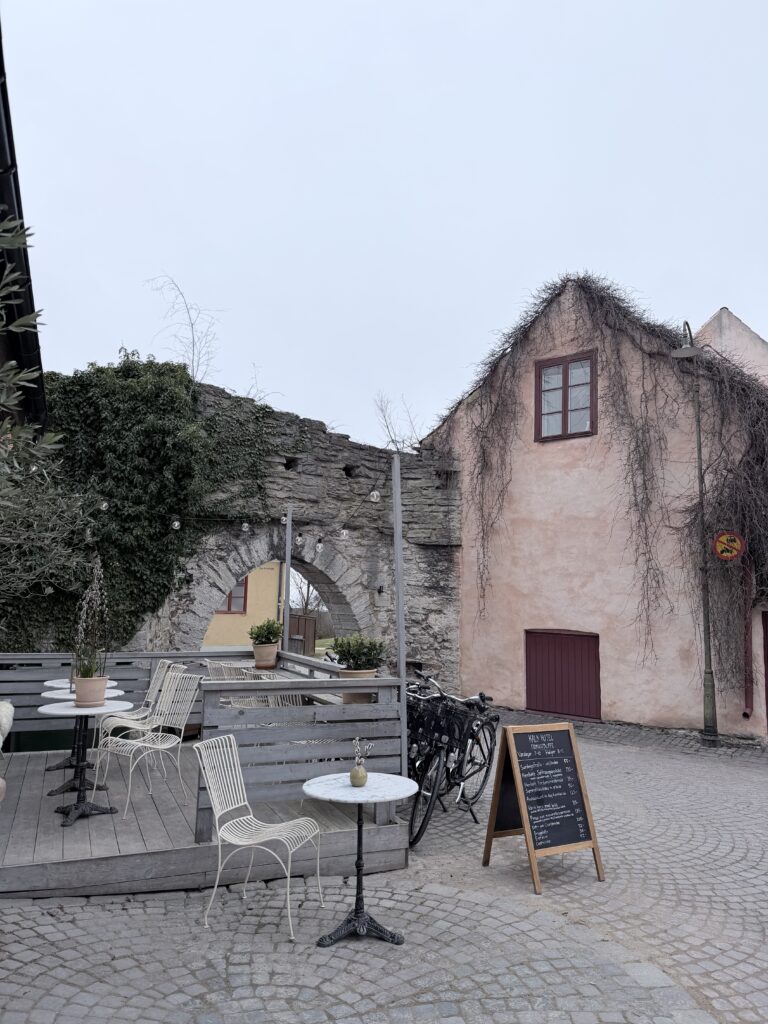
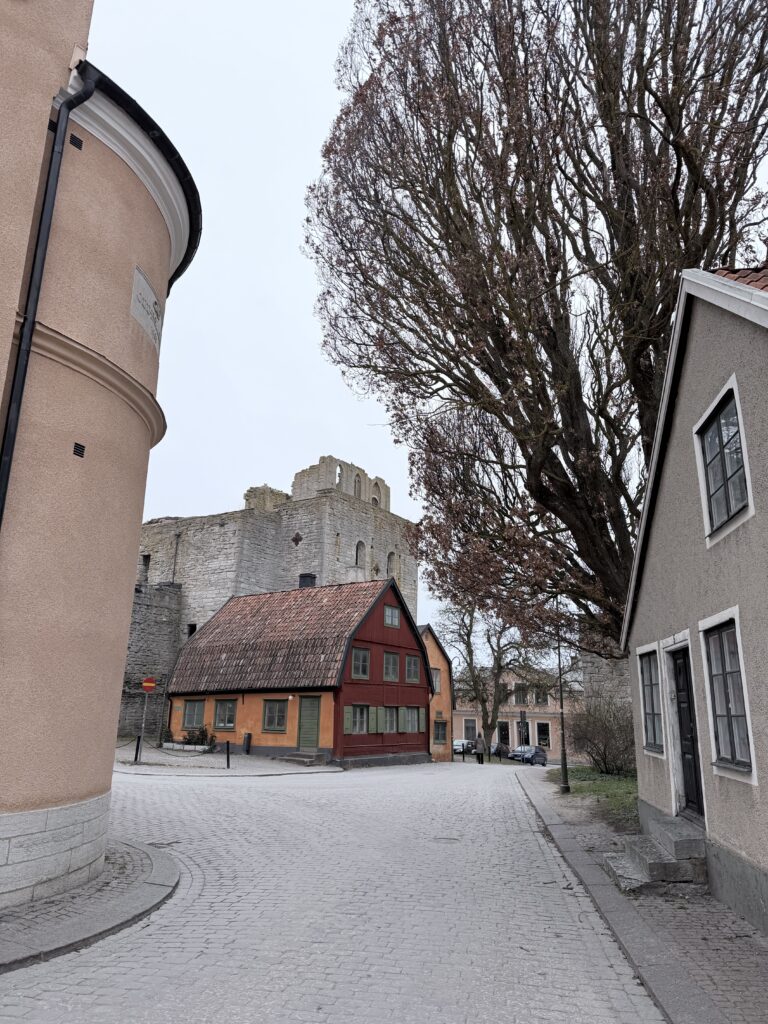
On every visit I notice new segments or interesting aspects of the towers and “ringmur.” It really is impressive and gives Visby a unique vibe. Lots of homes and businesses are still using these historic structures that have been incorporated or added on to the wall. Some even predate the wall! Imagine your backyard has niches, ancient doorways and parts of the wall right there!
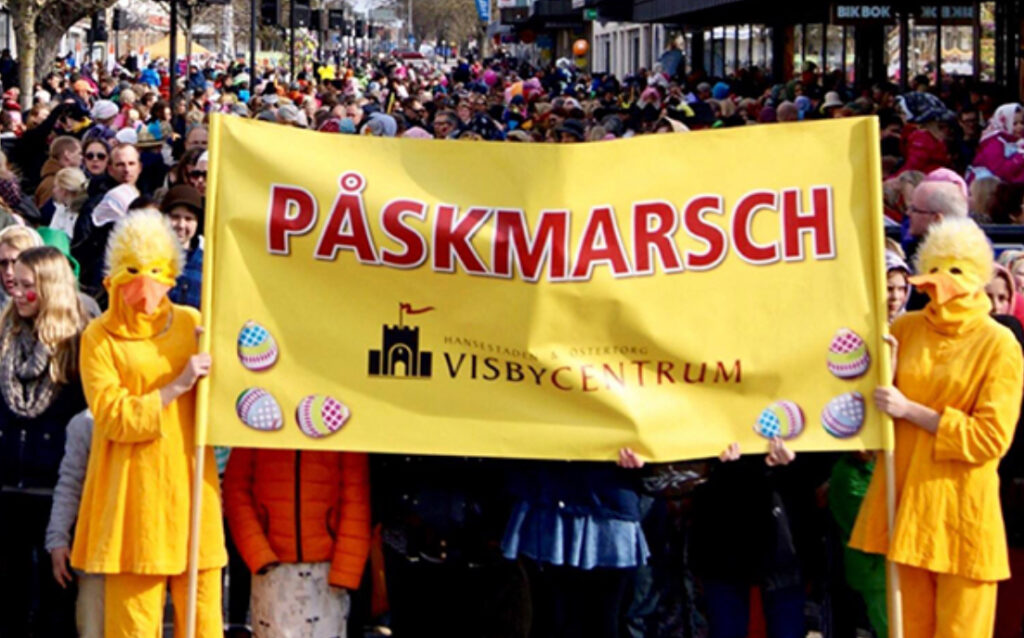
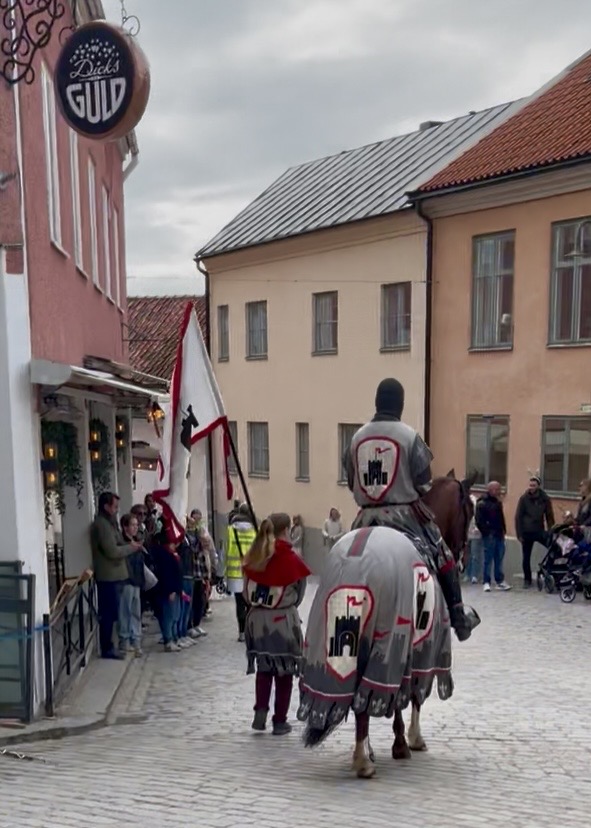
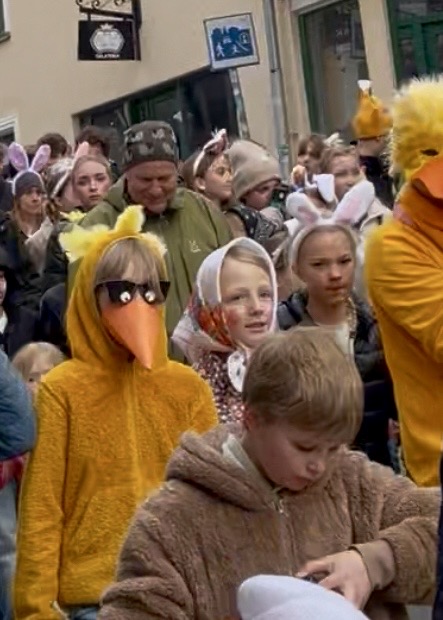
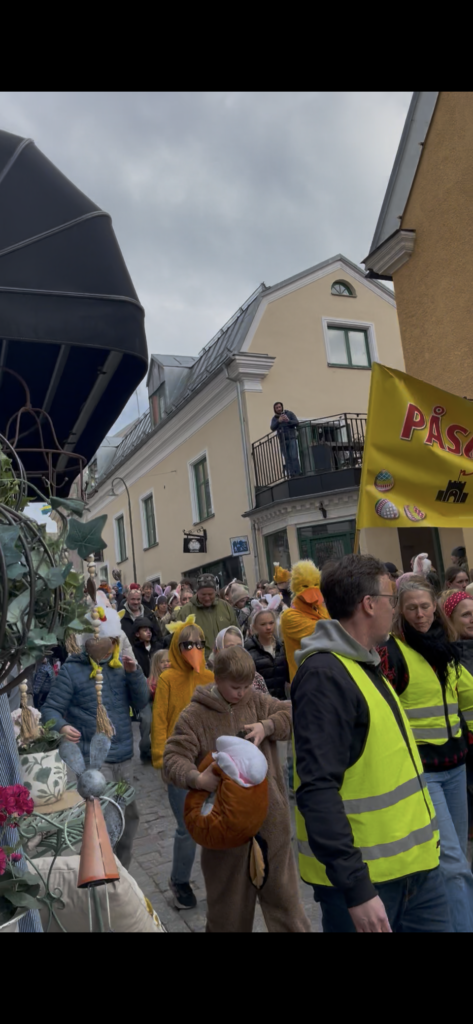
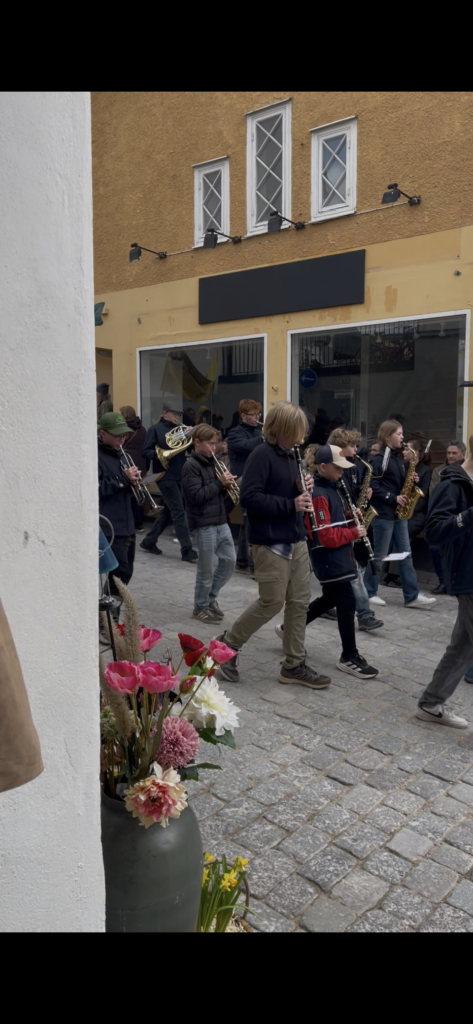
The Visby Easter Parade (Påskmarschen) is a massive, annual Swedish tradition held on Maundy Thursday in Visby, Gotland, where thousands of children and adults dress as “Easter witches” (påskkärringar), rabbits, or chicks. It is one of Sweden’s largest, featuring thousands of participants marching through the medieval town to Almedalen, often ending with candy for costumed children.
The above is what the internet says about the Easter Parade, though I think it was only around 1000 people this year and in addition to the witches, chickens, and rabbits, there were plenty of snowmen, reindeer and other strangely out of place ensembles, led by a medieval knight!
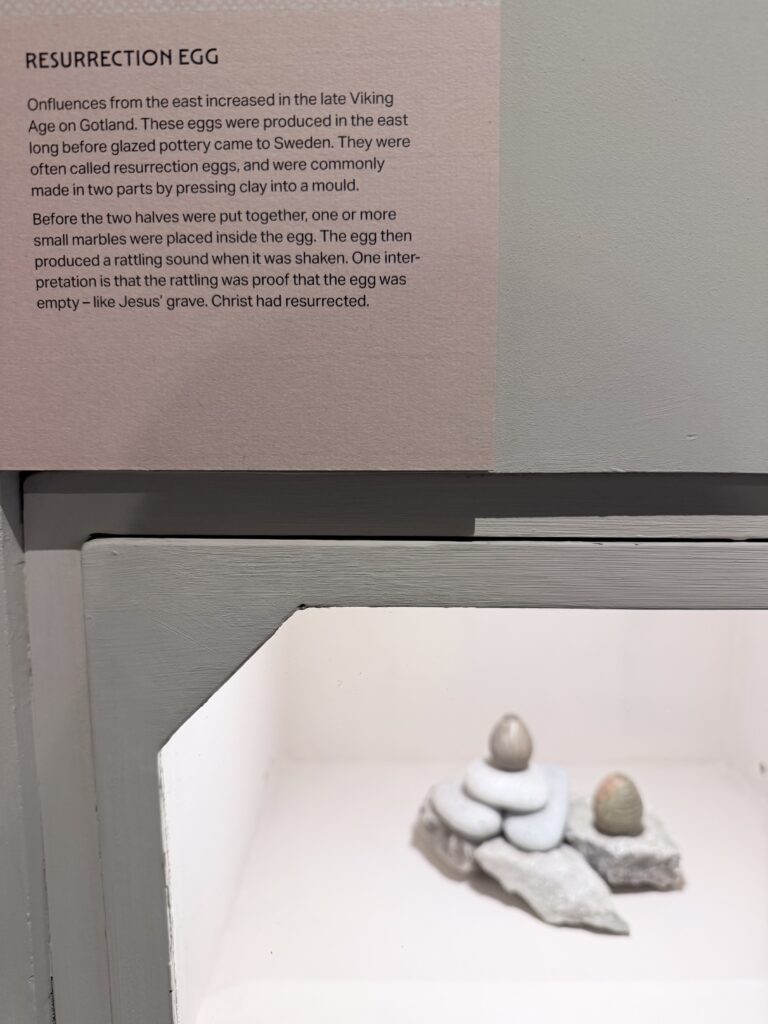
As usual we enjoyed Gotlands Museum, which has some new exhibits and very well organized, fascinating permanent exhibits which can be perused many times over because there is so much to see and read. They also happen to have one of the best restaurants in Visby and are open during most holidays when other places are often closed so we really appreciate this place!
This time a skull with modified teeth caught my attention…
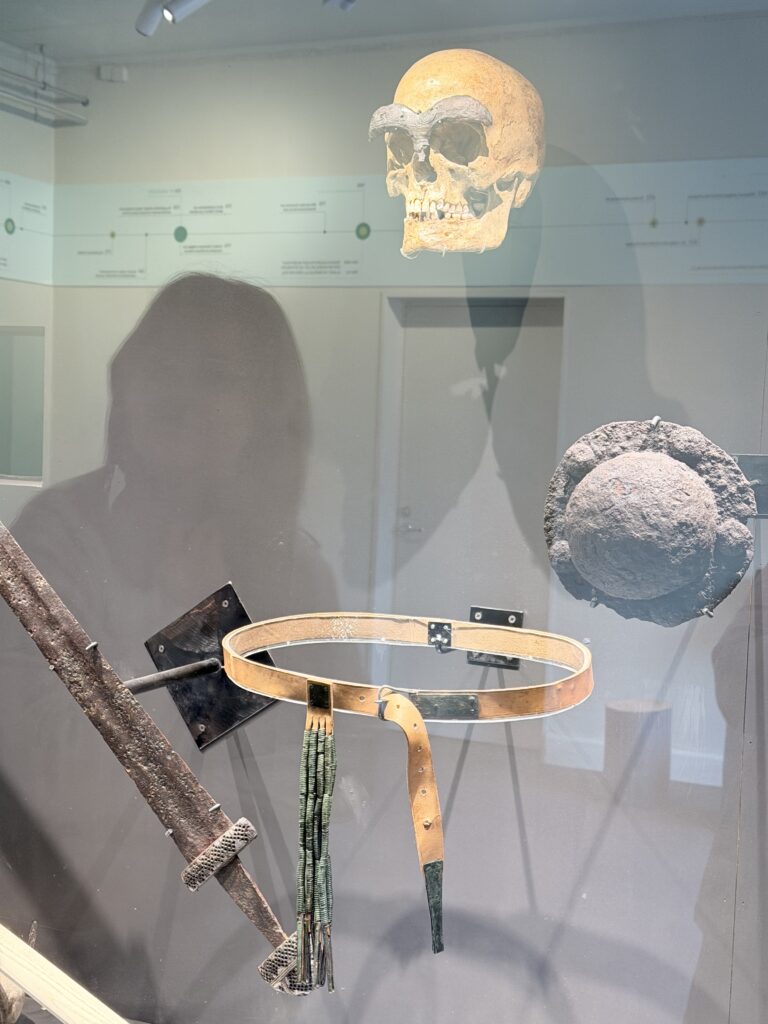
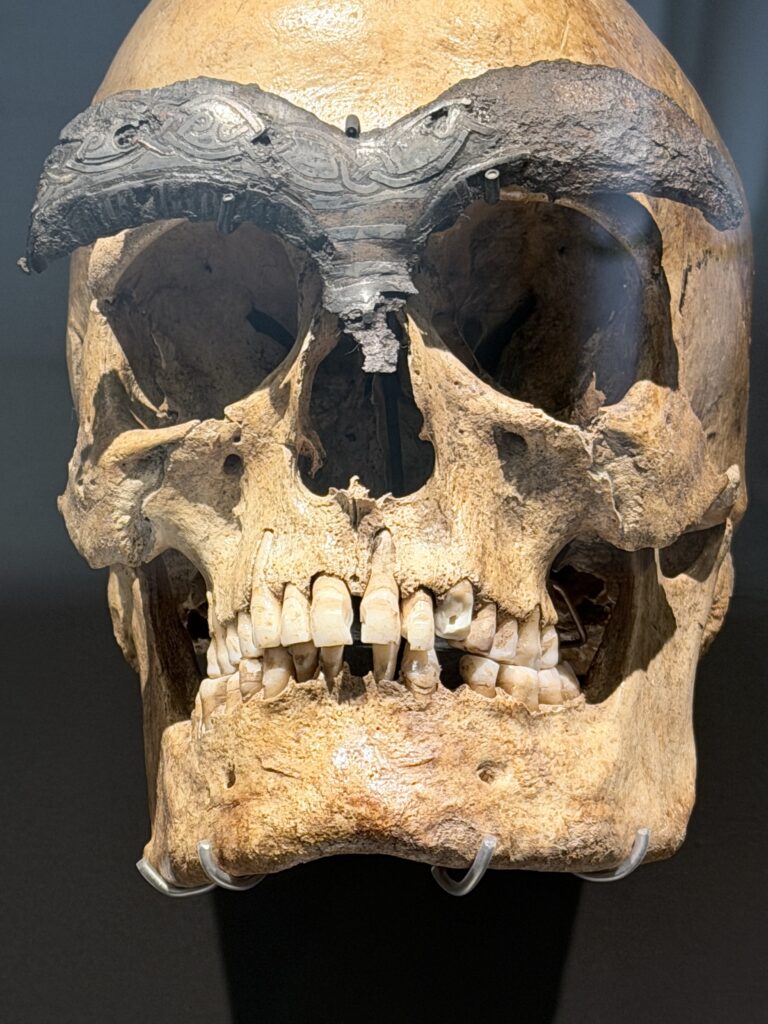
Viking-age skeletons, largely found in Gotland, Sweden, exhibit deliberately filed horizontal grooves in their teeth, often linked to a professional, elite, or merchant class identifying themselves. These markings, sometimes filled with red (maybe blue, as in Bluetooth!) pigment, may also have been used for intimidation or to denote warrior status.
- Gotland Connection: The largest concentration of these modifications, often called “Viking barcodes,” is found in graves on the island of Gotland, with many skulls belonging to men aged 20–30.
- Theories: Researchers suggest the filed teeth were a form of identification or “signature” within a closed group of traders (guilds), acting as to identify members and grant privileges.
- Modification Process: These grooves are precise and skillful, requiring expert work, indicating they were not self-inflicted but intentional body art.
- Not Just for Show: In addition to the teeth, some skeletons were found with grave goods indicating high status, while others suggest they were part of a specialized trading network.
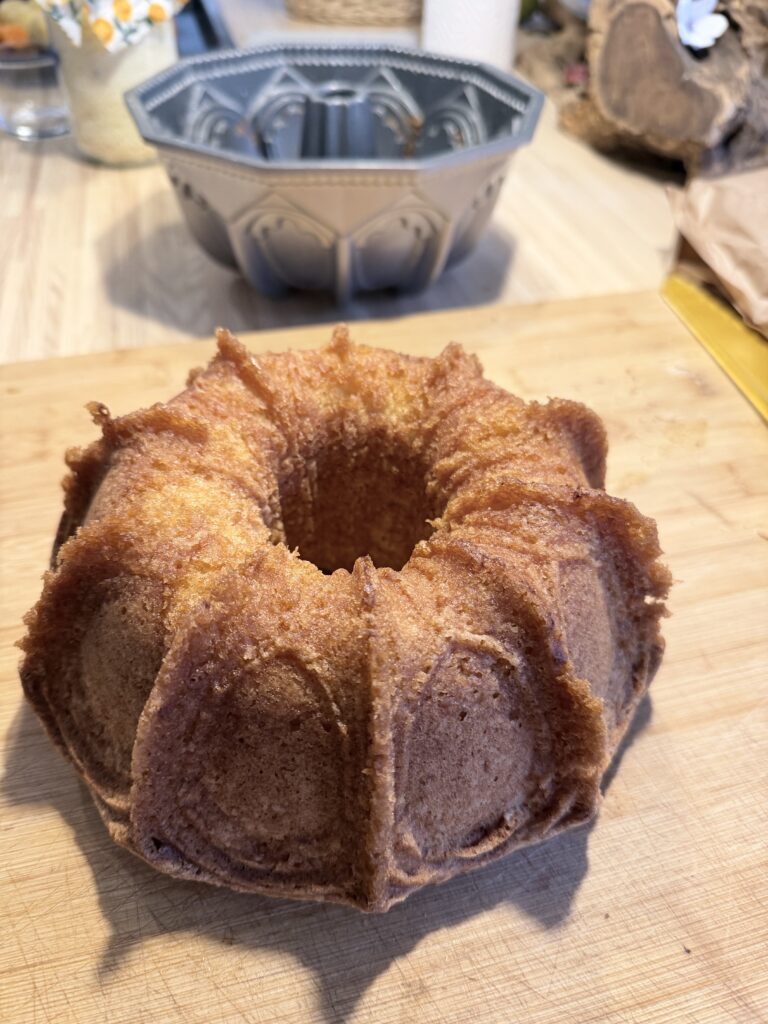
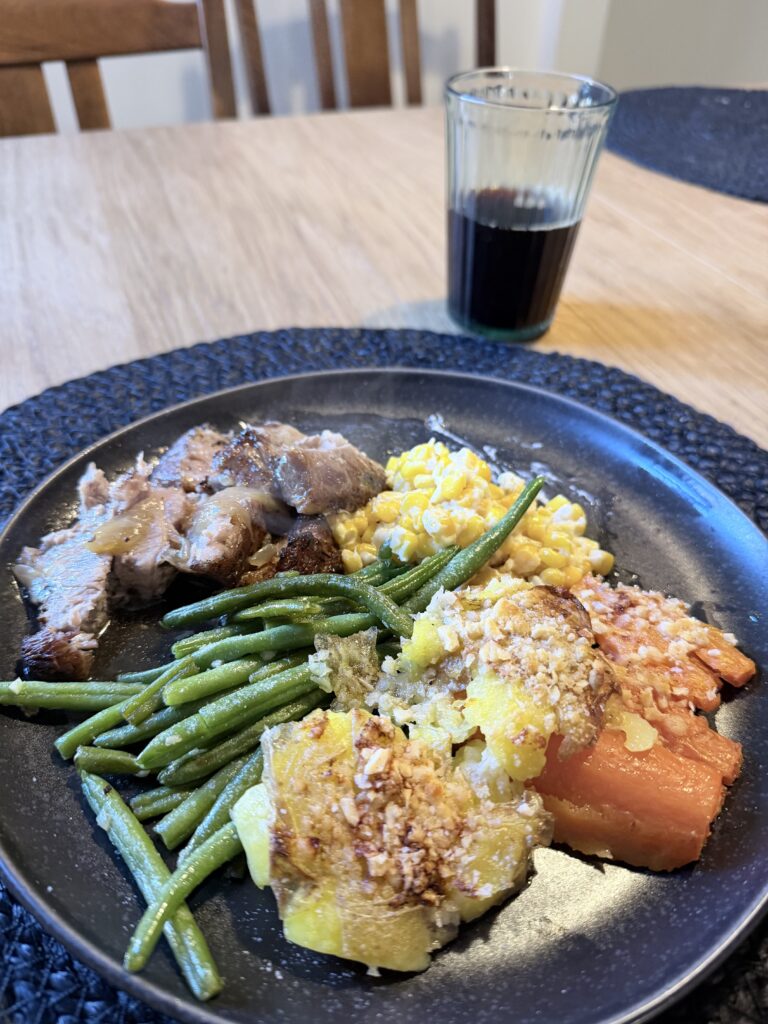
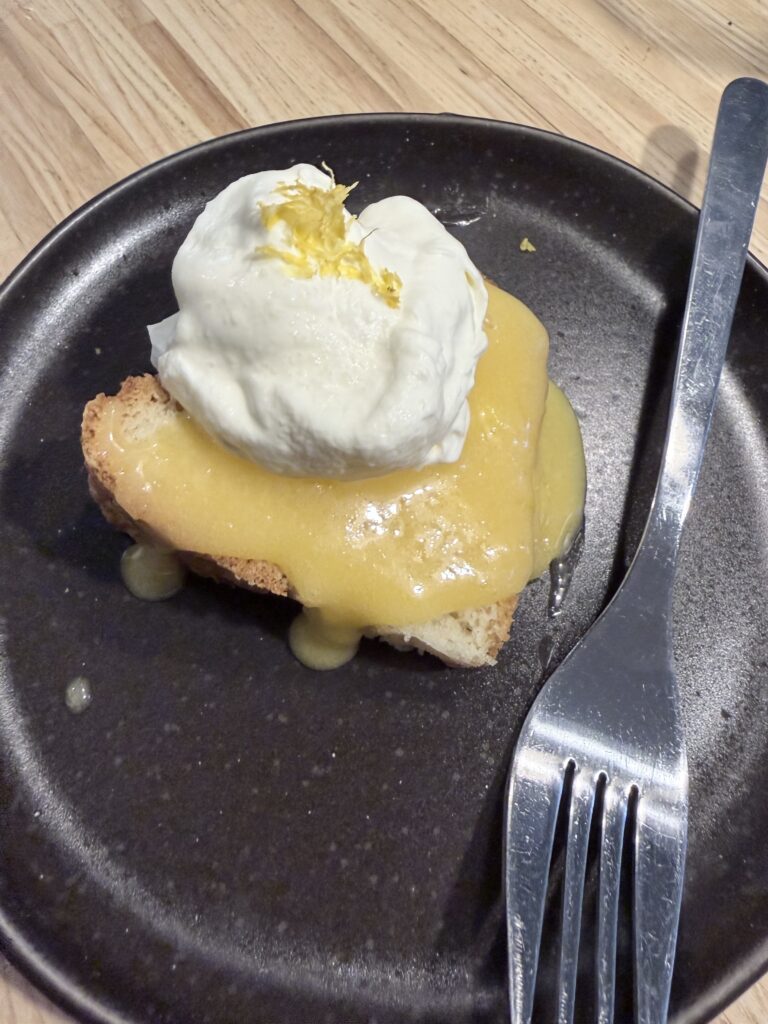
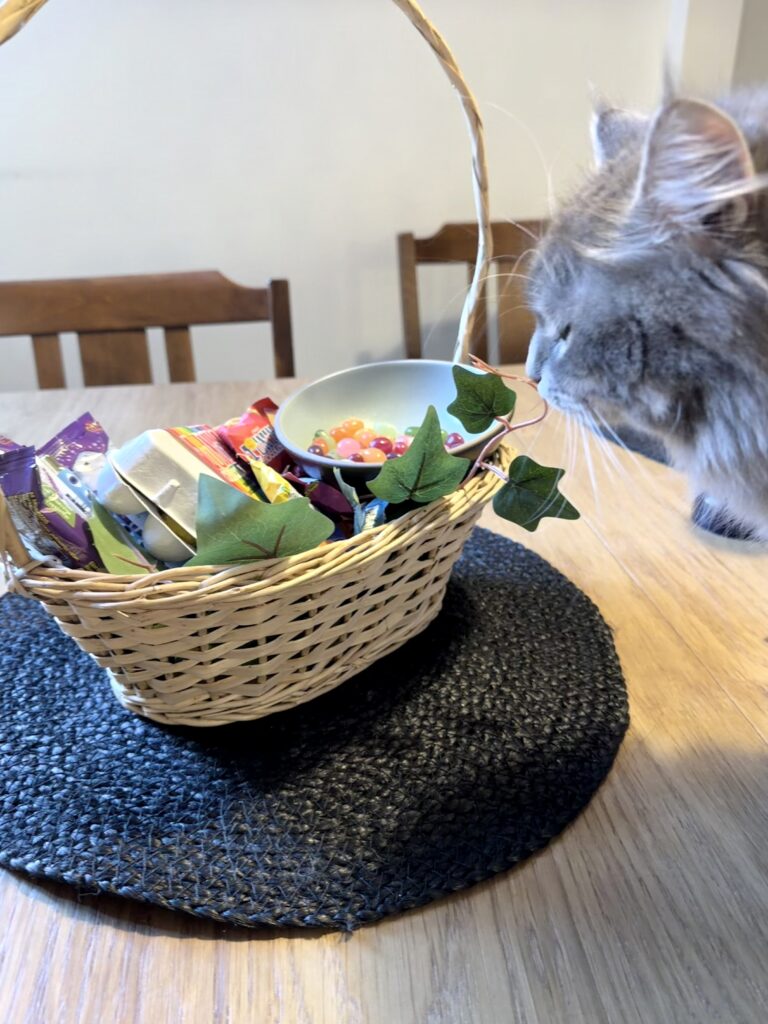
I made it home in time to enjoy Easter dinner made by B and L, including seasonal påskmust to drink, with my contribution of “cathedral” bundt cake and homemade lemon curd for dessert.
Leave a Reply